10 ¿Qué haces para tener buena salud?
Your Chapter 10 task is to discuss how to better your physical and mental health and ask others about theirs.
Steps to take to achieve this task:
- ¿Cómo está tu salud?– discuss the topic of physical and mental health with the prepositions por and para
- ¡Haz ejercicio!– use tú commands to motivate someone to have better health
- Vaya al parque– use Ud. and Uds. commands to motivate better health in others and recommend places to visit in the city
- Es importante que comas fruta– use the subjunctive to offer advice for better physical and mental health and what you want in an ideal home
- Task 10 Assessment– answer Frank’s questions about your physical and mental health, home and ideal city to live in
I. ¿Cómo está tu salud?
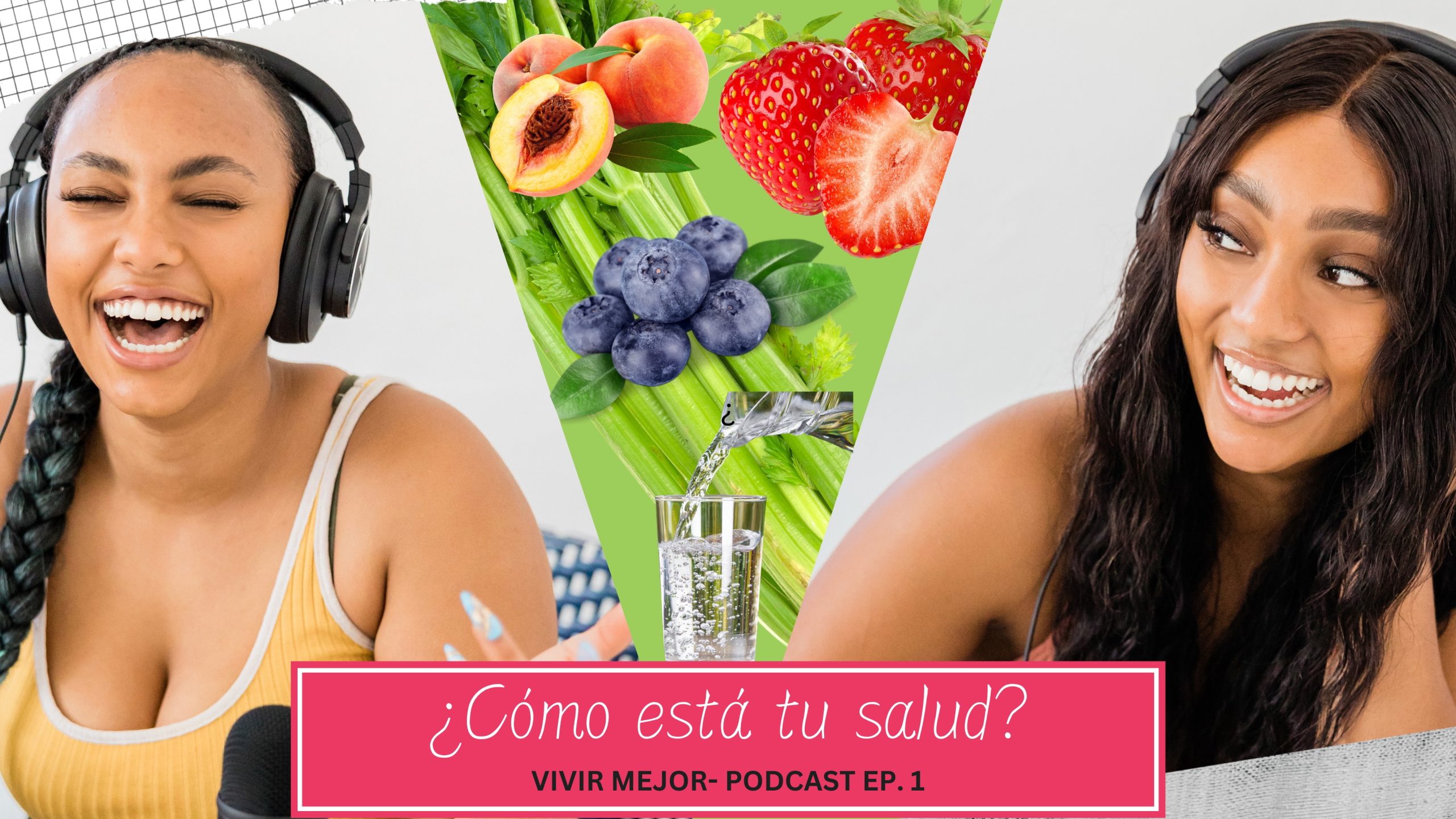
Frank’s friends, Erica and Chelsie, recently recorded a podcast discussing their physical and mental health. Their first question to each other was, ¿Cómo está tu salud?
How would you answer the following questions?
¿Tienes buena o mala salud física o mental? ¿Qué haces para tener buena salud? ¿Tener buena salud mental y física es importante para ti?
Erica, in yellow, is going to list what she does to have good physical and mental health using the prepositions por y para. Chelsie also shares her routine for optimal health.
Erica
Chelsie
Erica and Chelsie just shared their daily routines to have good health. They each used the prepositions por y para, which mean “for.” Do you remember what each one does for their physical and mental health?
Actividad A
Select whether Erica or Chelsie said the following statements about their health.
Erica mentions that she works for Spotify and uses para to specify who she works for. (Trabajo para Spotify.) Yet, Chelsie mentions that she runs for an hour and uses por to specify the duration of time she runs. (Corro por una hora) If both por y para mean for, why did Erica use para and Chelsie use por?
Lingo Mastery Spanish introduces you to por y para and when to use each preposition with examples.
For a summary of the uses of por y para, see the following slide.
Actividad B
Now that you are aware of the situations where por and para are used, select why Erica and Chelsie used these prepositions when describing their daily routine on their podcast, Vivir Mejor.
¡Bien hecho! 🙂
Actividad C
Determine if Frank has good health.
The song in the background is called “Super Hero” by Hector Posser.
Paso 1. Frank is sharing his daily routine. These are activities that boost his physical and mental health. Finish his sentences using por y para.
Paso 2. In groups of 2-3 students, take turns determining why each sentence takes por o para, based on the slides you reviewed.
Check your answers by clicking here.
Paso 3. Based on Frank’s daily habits, do you think Frank leads a healthy or unhealthy lifestyle? State your reason why with one sentence.
Modelo- Creo que Frank lleva una vida saludable porque __________________.
OR Pienso que Frank no lleva una vida saludable porque __________________.
What about you? Do you think you have healthy habits to support your physical and mental health?
Actividad D
Paso 1. Answer the questions in the following survey about your health.
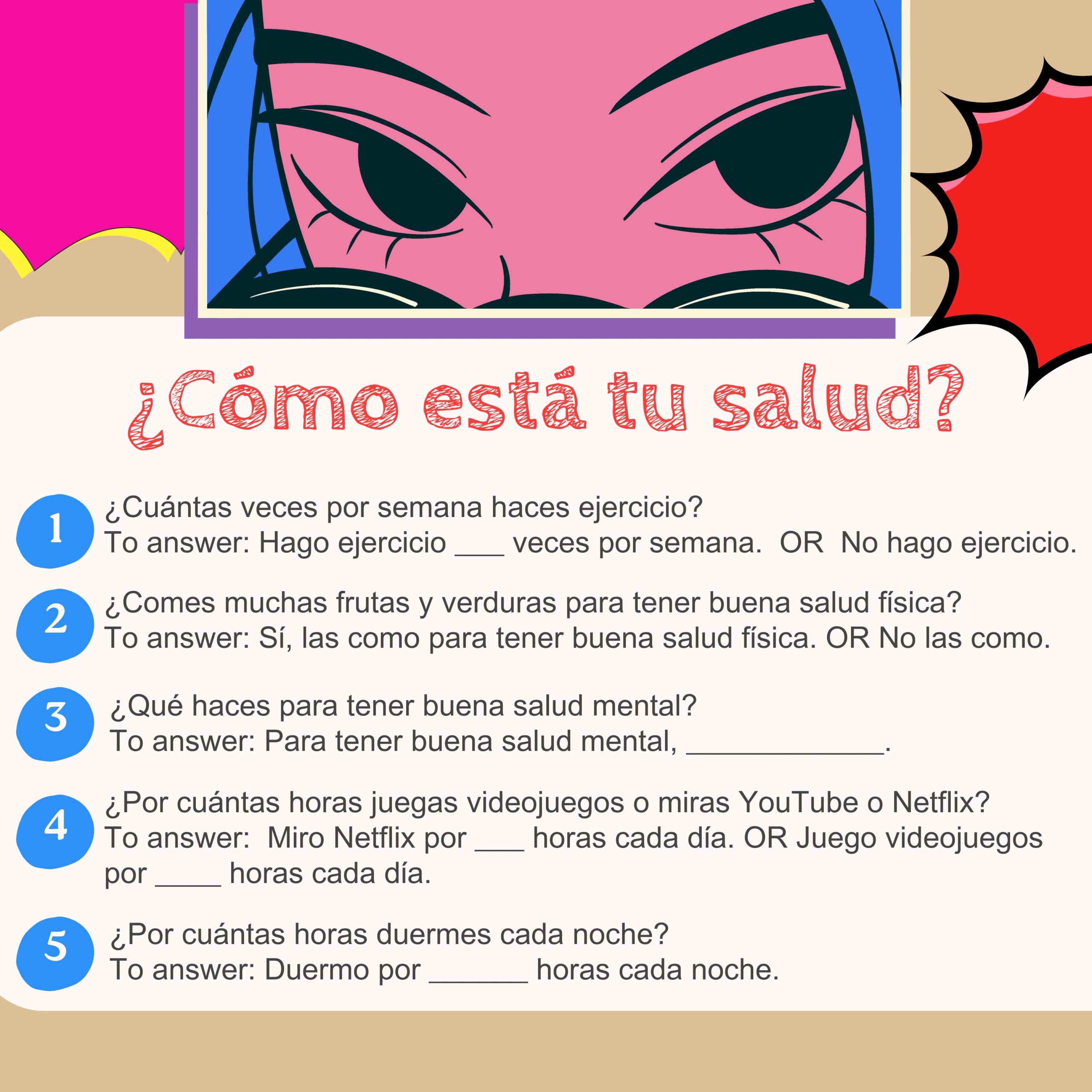
Paso 2. Find a partner and ask them the same questions you just answered in the survey.
Modelo. Hola. ¿Cómo está tu salud? ¿Cuántas veces por semana haces ejercicio? Etc.
Then switch roles.
Paso 3. Based on the answers your partner gave you, write a small paragraph giving at least 3 reasons why you feel your partner has good health based on their answers.
Modelo- Pienso que Kaya tiene buena salud porque hace ejercicio tres veces por semana, come muchas frutas y verduras y duerme por 8 horas cada noche.
¡Muy bien!
Actividad E
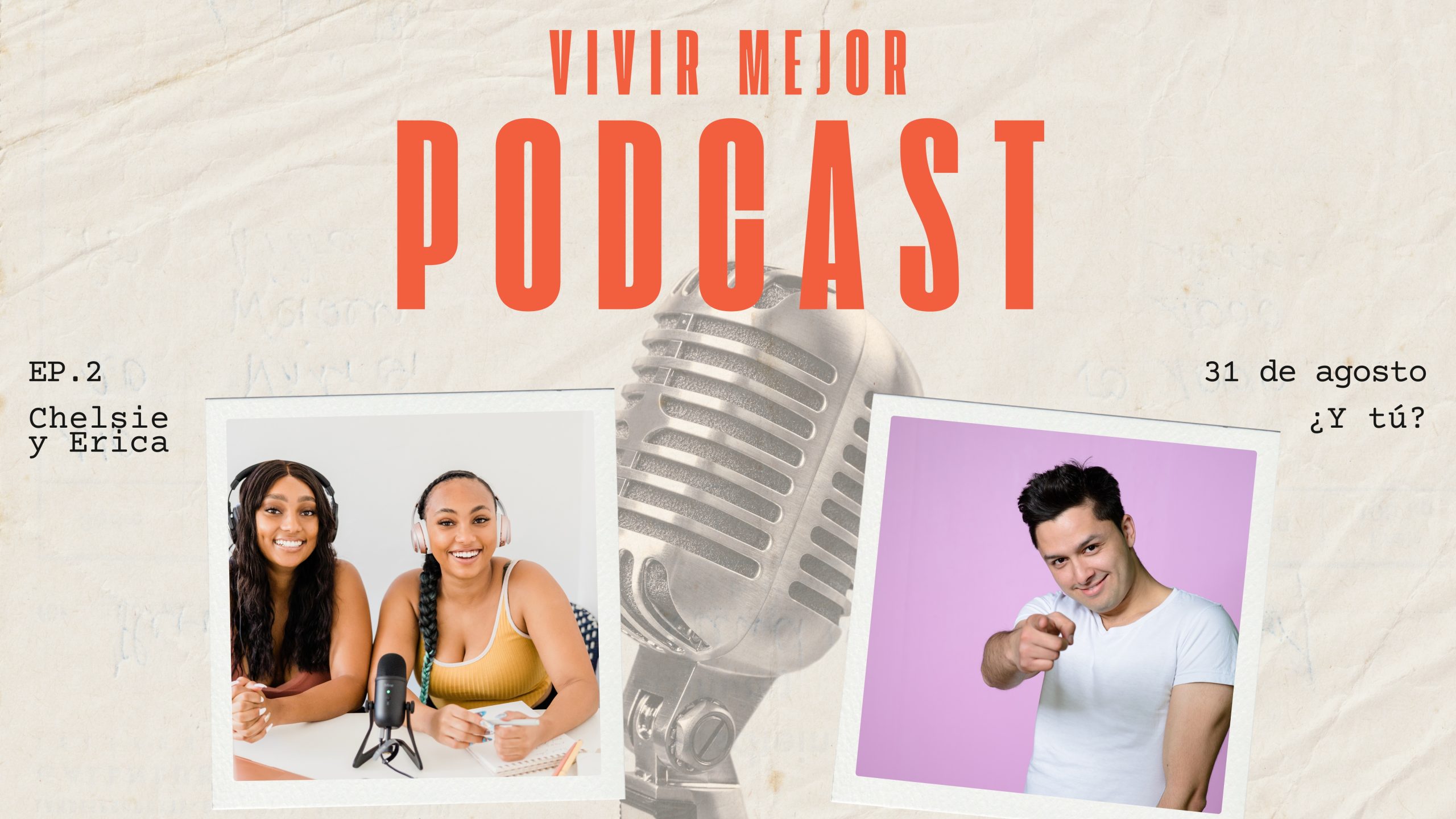
Chelsie and Erica would like to ask you questions about your health in Vivir Mejor’s 2nd podcast episode. Answer their questions using por y para in your recording.
Chelsie’s questions
Erica’s questions
For a guide on how to answer each question, click here.
For more practice with por y para by Colby College, click here. You will receive immediate feedback on why each sentence requires por o para. 🙂
II. ¡Haz ejercicio!
¡Haz ejercicio conmigo! means Exercise with me! 🙂 This is called a command, which is the imperative form of the verb in Spanish.
In this section of the chapter, you will learn how to give advice or recommendations to someone about bettering their health with informal affirmative and negative commands.
One of Frank’s followers is a coach and nutritionist from the Dominican Republic.
Every January, Coach Victor posts a video on his YouTube channel with advice about healthy habits for your physical and mental health.
For a transcript of Coach Victor’s post, click here. Scroll to Coach Victor.
Actividad F
How did you do? 🙂 If you did not recognize the commands quite easily, that is perfectly fine.
Teacher Catalina introduces you tú informal affirmative commands and how to use them in conversation in her video.
Actividad G
For a summary of how to form tú informal affirmative commands and use them to give advice, see the following slide.
Actividad H
You met Coach Victor earlier, who is both a nutritionist and coach in the Dominican Republic.
In a Spanish-speaking neighborhood in Dallas, the following nutritionist and trainer were heard giving some advice and commands to their clients this week. Select whether each command was given by the nutritionist or the trainer.

Circle N for Nutricionista and E for Entrenador.
- Haz ejercicio conmigo a las siete de la mañana. N/E
- Bebe 8 vasos de agua cada día y come muchas frutas y verduras en tu dieta. N/E
- Sé positivo en mi gimnasio. (una persona no-binaria) N/E
- Come proteína en tu dieta y elimina los dulces (candy). N/E
- Evita (avoid) la comida rápida en tu dieta porque es mala para tu salud física. N/E
- Corre por 20 minutos cada mañana. N/E
- Sal de tu casa y ve directamente al gimnasio. N/E
- Pon una botella de agua en tu mochila cuando vienes a mi gimnasio. N/E
- Ve al doctor si tienes una reacción alérgica al pescado en tu dieta. N/E
- Camina en la caminadora por 30 minutos antes de levantar pesas. N/E
For the answer key, click here.
¡Buen trabajo! 🙂
Actividad I
What advice would you give the following students who could use new healthy habits? Complete each sentence with the proper command.
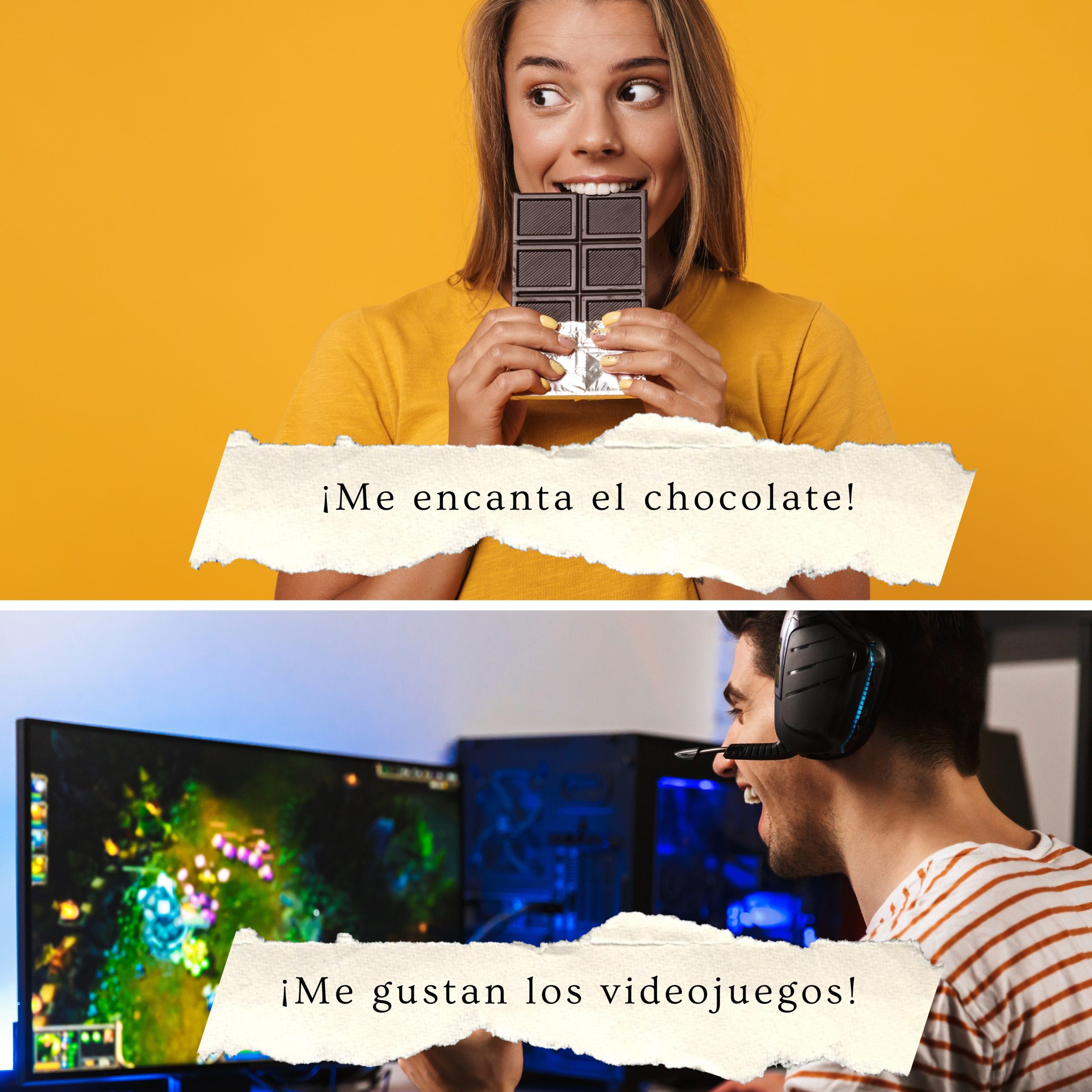
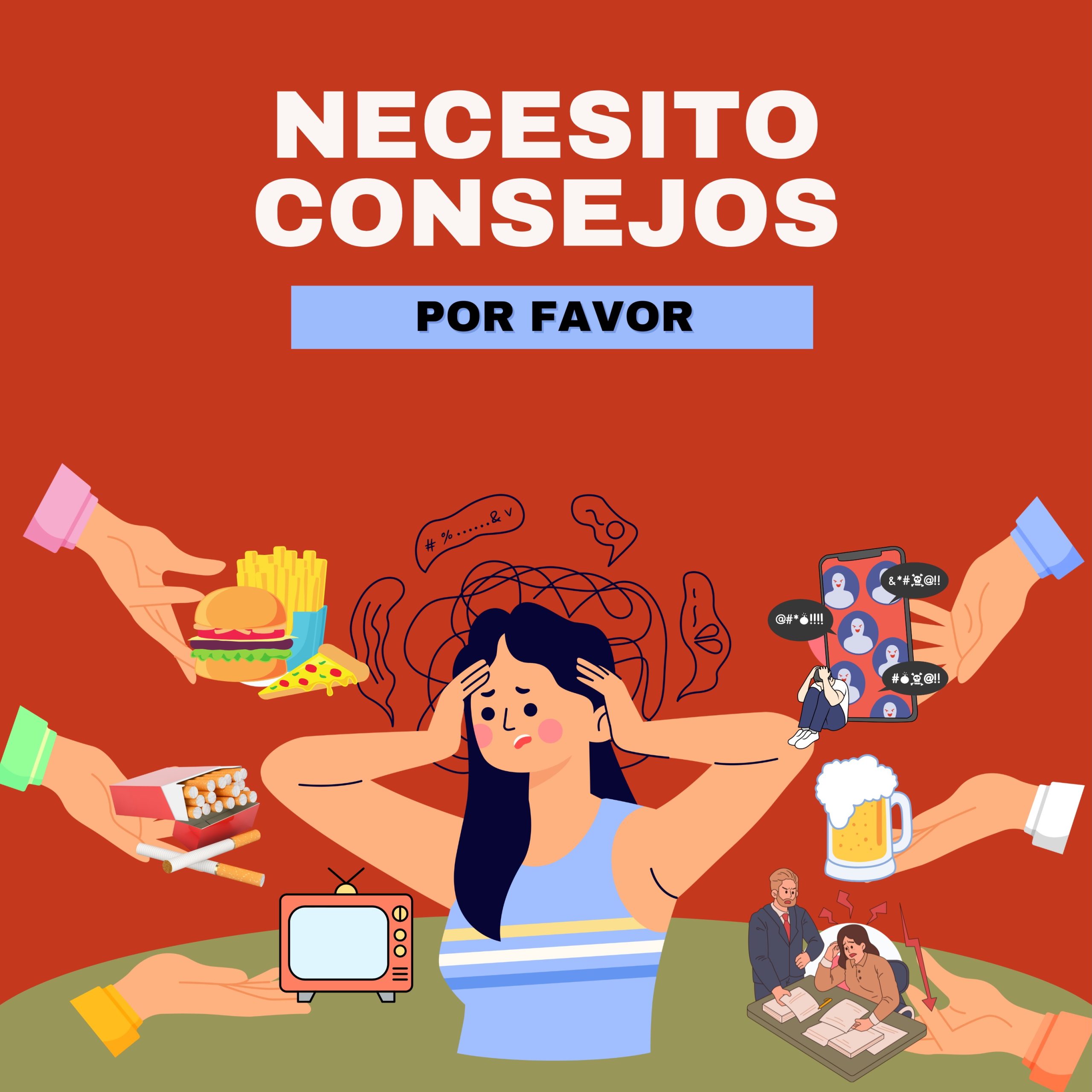
Do you have friends that reach out to you for advice? Maybe they are dealing with a smoking or drinking addiction. Maybe they are stressed out at work or consuming too much fast food or binging too many nights on Netflix.
Actividad J
The song in the background is called “Clavado En Un Bar” by Maná.
The people in the above videos are struggling with their physical and mental health. In groups of 2-3, offer each of them one piece of advice using tú affirmative commands.
Modelo- There is a video of someone suffering from an addiction to sugar. Consejo (advice): Come más frutas y verduras.
Video 1- Un hombre sufre de la obesidad (obesity) Consejo:
Video 2- Un hombre está adicto a la tele. Consejo:
Video 3- Una chica está adicta a TikTok e ignora a su novio. Consejo:
Video 4- Una mujer está muy estresada por su trabajo. Consejo:
Video 5- Un hombre está adicto al cigarillo y al alcohol. Consejo:
Video 6: Una mujer está muy deprimida. (depressed) Consejo:
Excelentes consejos. 🙂
A way to improve your mental health is by going outside and enjoying nature.
Raise your hand if you love the outdoors. What do you like to do outside? Do you often get the opportunity to go outdoors?
Intercultural reflection 1
Latino Outdoors is a Latinx-led community that aims at connecting and engaging Latinos to explore the outdoors.
According to Latino Outdoors, they envision a world where all Latino communities enjoy nature as a safe, inclusive, and welcoming place – a world where the outdoors is a place to share and celebrate stories, knowledge, and culture.
Marriott Bonvoy shared the following video by José Gonzalez, the founder of Latino Outdoors.
Explore more
1. What do you think about the Latino Outdoors movement and vision? What did you learn from the video? Did you resonate with any part of the video? Do you share anything in common with Latino Outdoors?
2. Give Latino Outdoor’s founder, José, 5 recommendations for things to do outdoors in places you recommend using tú affirmative commands. If you don’t know how to say a certain activity, your group could look up the verb in www.wordreference.com. However, your group must put that verb in the informal affirmative command.
Modelo- Nada en el océano de San Diego. Es muy bonito.
Listen as Rosa Blanca shares her favorite Latino Outdoors (also called LO) memory.
3. What does Rosa Blanca love most about being part of Latino Outdoors? Do you resonate with her testimony at all? How so? Are you part of any communities? If not, would you like to be? What is the benefit of being part of a community, in your opinion? Would you ever try a Latino Outdoors’ activity? It is open to everyone.
4. Do you feel more community is needed in your town or city? Why do you think it is hard for people to connect and go outdoors? Do you think being outdoors improves your physical or mental health? How so?
5. After watching José and Rosa Blanca’s videos, what did you learn about Latinos, their stories and the concept of community? Do you empathize with the Latinx experience more? Do you share any similarities with the Latinx community in your culture? How so?

In Spanish, sometimes you may need to advise or recommend someone not do something or not go somewhere. This would be called a negative command.
Watch as Profesor Diego Ojeda shares his problems with his class. Listen as Diego’s students provide him affirmative and negative commands in the tú form to help him better his health.
What advice did the students give to their instructor?
Actividad K
Place the recommendations the students gave Profesor Ojeda and place them in their appropriate categories.
You heard two negative informal commands from Diego’s students. With relation to his issue of being overweight, one student said: No comas azúcar. (Don’t eat sugar.) When Diego expressed his other problem of disliking meetings at work, another student recommended he not go and said: ¡No vayas!
The conjugation of tú negative commands differs from tú affirmative commands.
Watch as Teacher Catalina introduces you to tú negative commands and how to form them to give advice.
For a summary of tú negative commands and how to use them to give advice about health issues, see the following slide.
Actividad L
Frank has been traveling quite a bit lately due to his work commitments. He hasn’t slept or eaten well, and he feels a bit stressed. What advice would you give to him?
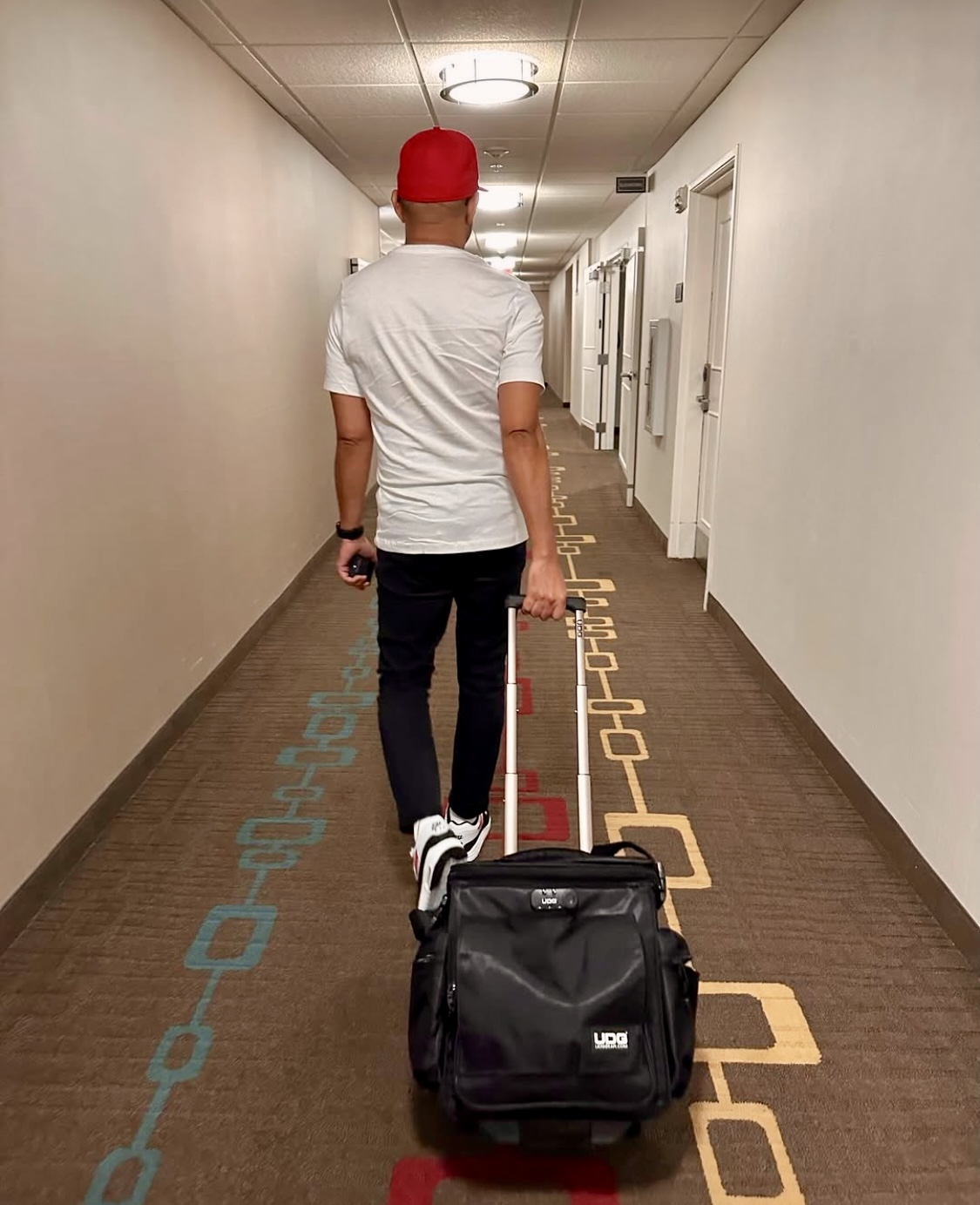
@frankmccright twitch.tv/djlovestellarmusic Some #wickywicky from the #HipHop / #New Jack Swing set. – – – #scratching #jicostylus #jico #turntablist #djproducer #vinyl #vinyldj
¡Excelentes consejos!

Actividad M
Like Frank, students have been feeling very overwhelmed and stressed due to their workload. What advice do you have to help students resolve their physical and mental health issues?
One of Frank’s Twitch followers, Esteban needs your help! He has been overworking himself, like Frank. Watch his recording.
For a transcript of Esteban’s video, click here. Scroll to Esteban.
Actividad N
After watching Esteban’s video, record 5 recommendations for him using tú affirmative and negative commands. You should have a mix of both in your recording.
Modelo- Hola, Esteban. Me llamo Jack. Voy a ayudarte con tus problemas. Primero, sé positivo. Segundo, ¡no pases tanto tiempo en tu sofa!
III. Vaya al parque
Sometimes getting fresh air and exploring your town could be a great boost to your physical and mental health. How would you describe your town? What does it have that is interesting?
Easy Spanish takes you on a walk with them to explore Madrid. How many new places did you learn about?
Actividad O
Do you know how to describe the places in your city or town? See the following slides for vocabulary on places in the city. Press the audio to hear how these words are pronounced.
Actividad P
The song in the background is called “No Hay Cielo” by Franco de Vita.
Paso 1. Match the following places to their description.
Paso 2. With a partner, name 4-5 places that are in your town or city. Then switch roles. Follow the model.
Modelo-
Estudiante 1- ¿Dónde vives? ¿Qué hay en tu ciudad o pueblo?
Estudiante 2- Vivo en Warrenville, Illinois. En mi pueblo (town), hay un cine, supermercados, parques, pero no hay una librería. ¿Y tú? ¿Qué hay en tu ciudad o pueblo?
¡Buen trabajo! 🙂
If someone older than you would like to explore new places to support their mental health and asks you where to go or visit, what places would you recommend? What places would you suggest this person not visit? Would you use the tú form command or Ud.?
¡Correcto! Because the person is older, you should demonstrate respect by using an Ud. form command when recommending places to visit or not go to in your city or town.
For example- ¡Vaya a mi restaurante favorito en NYC! Se llama Carbone. OR ¡No visite Times Square en Nueva York! Hay demasiadas personas.
Watch as Speak Spanish with Paula introduces you to formal affirmative and negative commands in the Ud. form.
For a summary of Ud. commands and how to use them to give advice when visiting your city or town, see the following slide.
Actividad Q
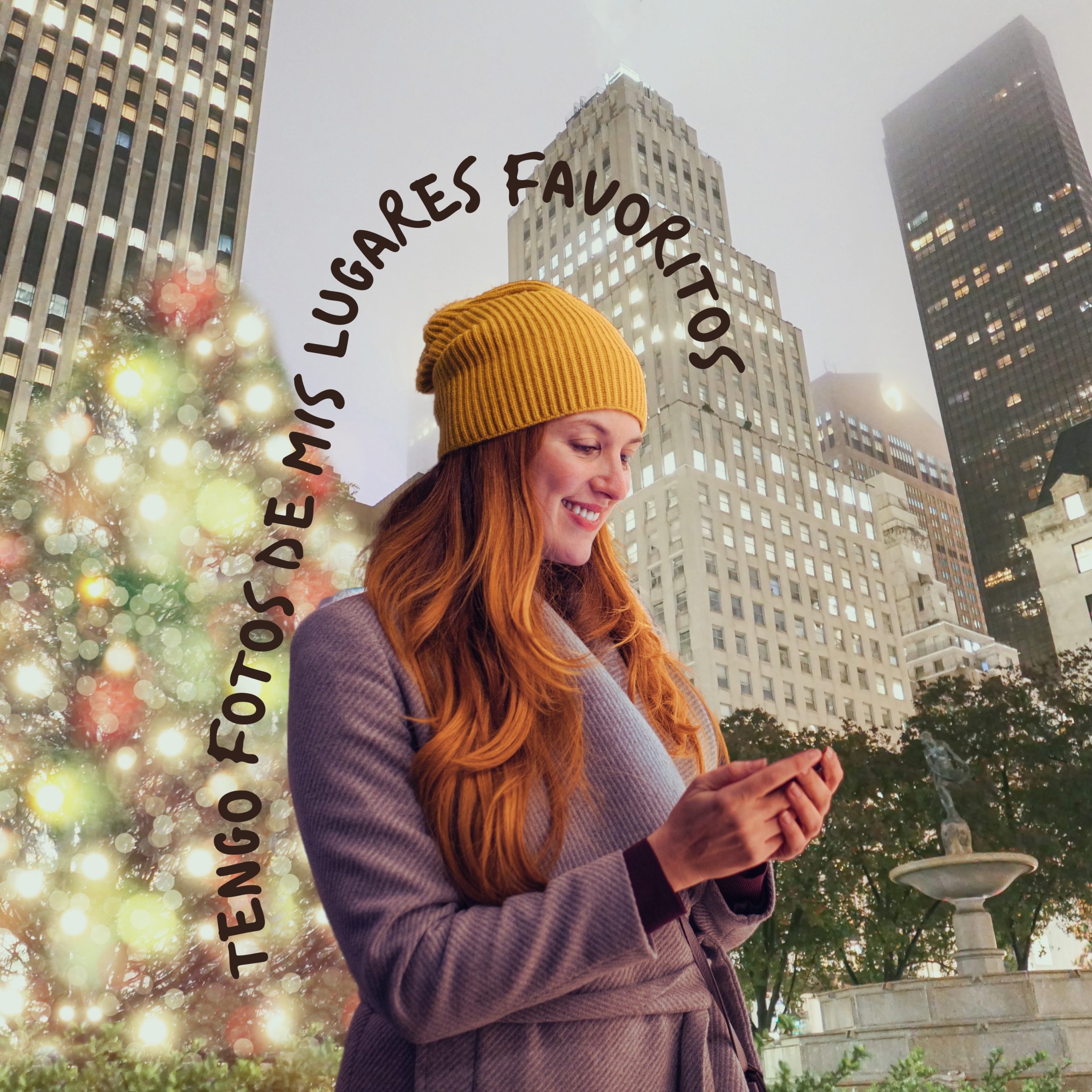
Paso 1. A lonely elderly man just asked Hannah for places to visit in New York. She pulled out her phone, showed him pictures of her favorite places and gave him recommendations to lift his mood.
Choose the Ud. form commands Hannah used with the elderly man.
1. Debes visitar la Estatua de Libertad. 2. Vaya al Parque Central porque es muy bonito durante los días festivos. 3. ¡No camine por la ciudad por la noche solo! 4. No compres recuerdos (souvenirs) de la calle con tu tarjeta de crédito. 5. Beba un chocolate caliente en Serendipity. 6. Come en la pizzería famosa de Broadway. 7. Sea paciente con toda la gente en Times Square. 8. ¡No estés preocupado por el frío! La nieve en Nueva York es muy bonita.
Click here for the answer key.
Paso 2. What places would you recommend the elderly man visit in your town? With a partner, take out your cell phone and show pictures of the places you recommend using Ud. form commands.
Modelo- Hola. Vivo en ________. Tengo algunos lugares para recomendar.
Fill in the spaces with the name of the places.
Visite ___________________.
Vaya a __________________.
Coma en _________________.
Camine por _______________.
Haga compras en _________________.
Now switch roles.
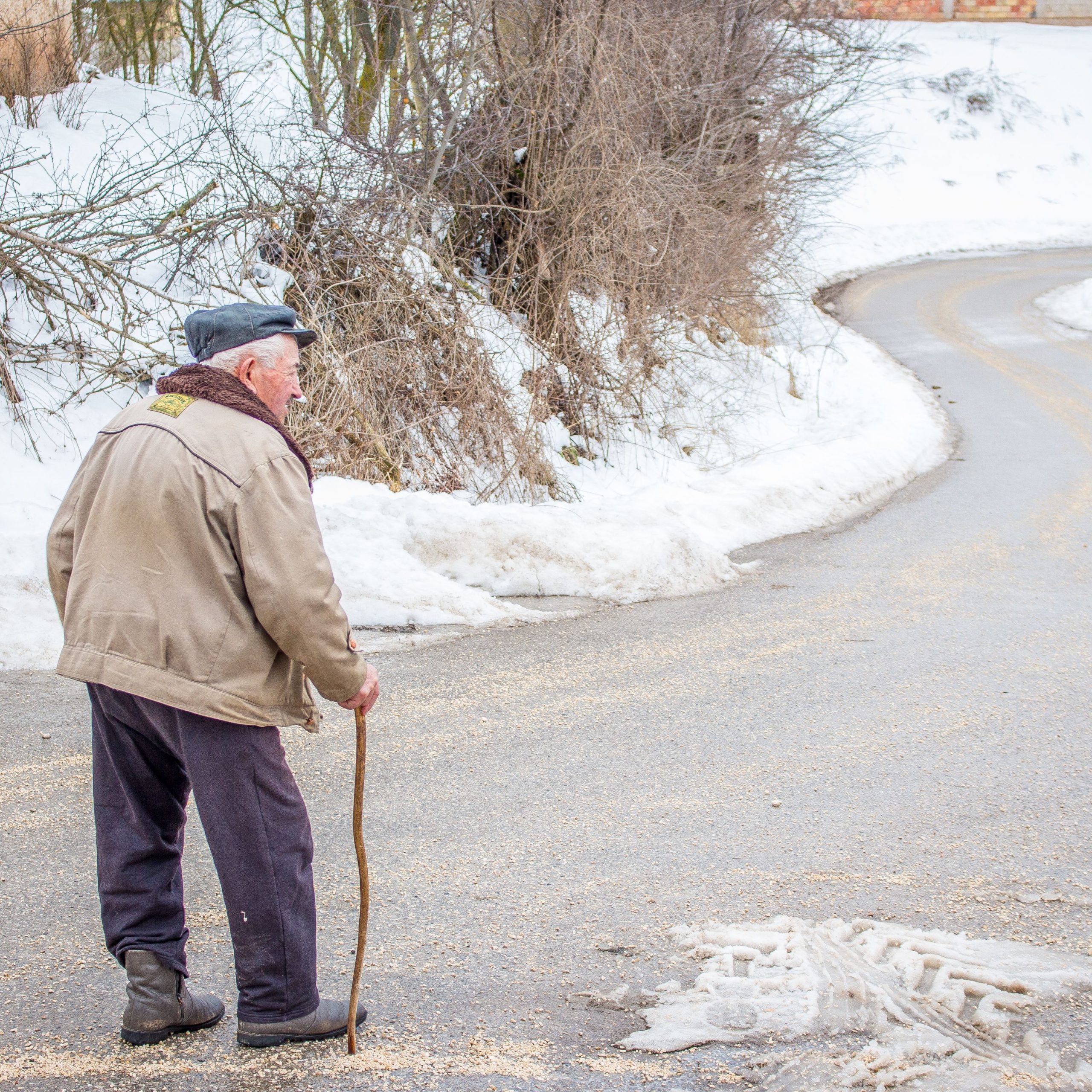
The elderly may struggle with feeling alone. Frank saw an Instagram post in his feed yesterday. He thinks it could be useful advice for the elderly who need help connecting with others and feeling more uplifted.
The issue is that the Instagram post offers suggestions in the informal command form. Because Frank wants to share this post with the elderly, who also struggle with their mental health, help Frank by converting the advice to Ud. form commands.
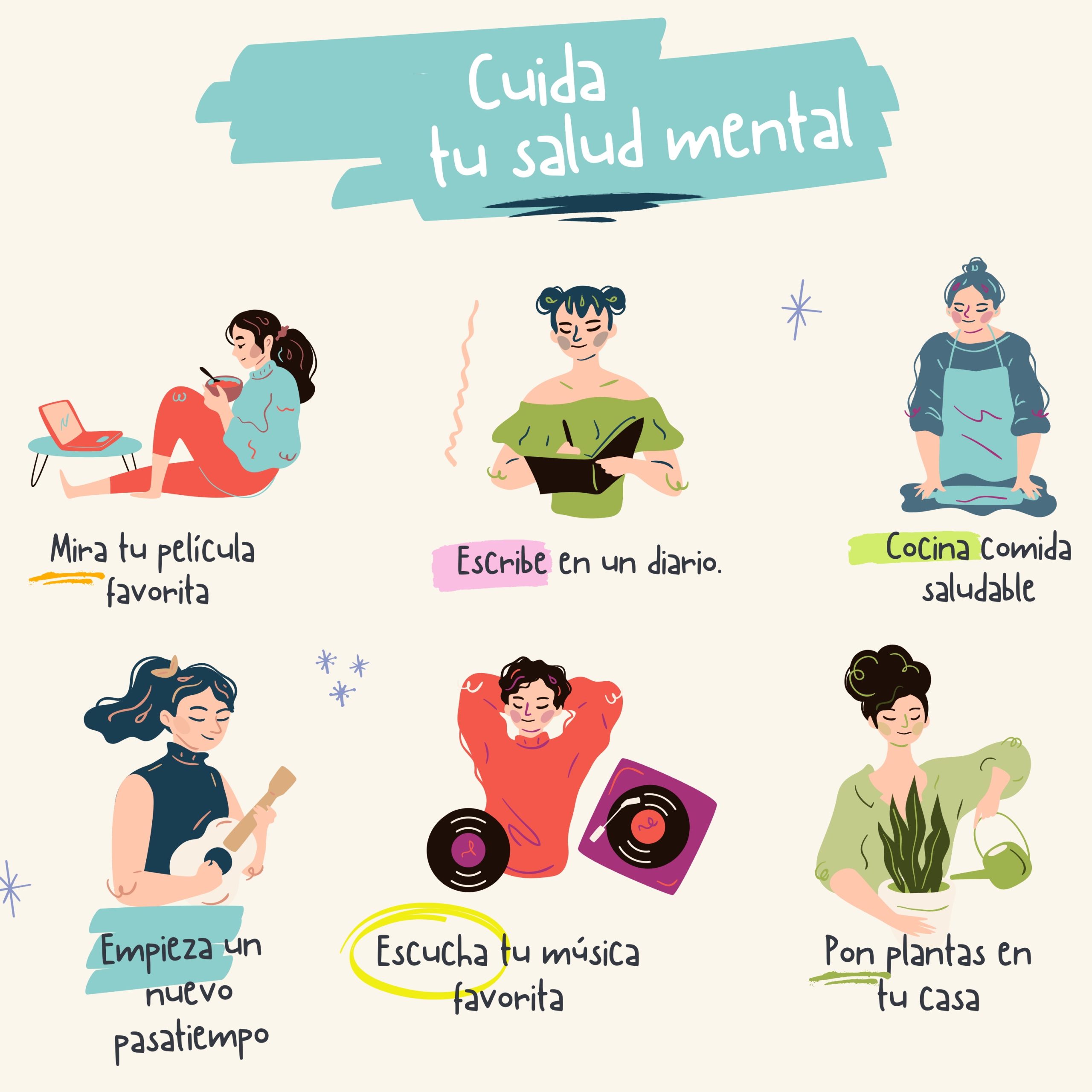
Actividad R
Change the recommendations in the Instagram post about mental health to Ud. form commands.
Modelo: Original is: Llama a tu familia más. (tú command)
You would write: Llame a su familia más. (Ud. command)
Which piece of advice is your favorite? Are they any other recommendations you would add to help with mental health issues among the elderly or anyone who suffers from them?
Frank believes spending time with friends is an excellent way to help your mental health.
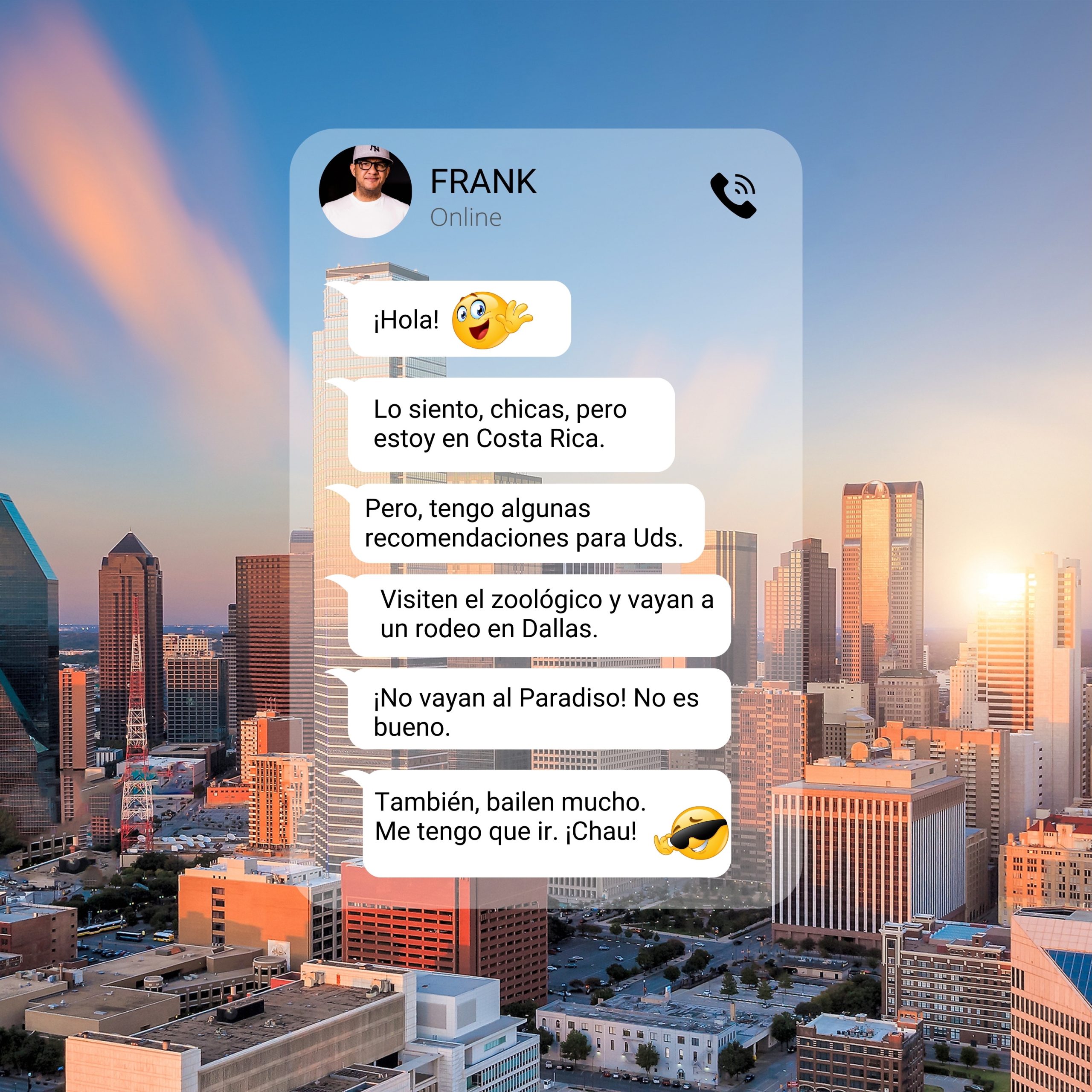
Frank’s friends are in town visiting Dallas! 🙂 They just texted him to see what places he recommend they visit. However, Frank cannot host his friends this particular weekend because he is working out of country.
Listen to what Frank suggests his friends do while they are in town.

Actividad S
Select whether the following statements are true or false, based on Frank’s recommendations.
Did you notice that the recommendations Frank made were in the Uds. form since he was addressing both of his friends?
When you give a command in the Uds. form, it follows almost the same conjugation as the Ud. command that you learned about earlier, but you just add an to the ending of ER/IR verbs and en to the ending of AR verbs.
Watch as Señor Jordan presents Uds. commands in Spanish. If you watch the video until the end, he also shows you how to make reflexive verbs in command form, which you will learn how to do in the next level of Spanish.
For a summary of Uds. commands and how to use them to give advice about what to visit or see in a city or town, see the following slide.
Frank also shared a YouTube link from Travel Report in his text to his friends that included the best things to do in Dallas and Fort Worth. The problem is that the recommendations are in the tú command form. Change the commands to the Uds. form for Frank’s friends.
Actividad T
Are any of Travel Report’s recommendations intriguing to you? Would you like to visit Dallas? Have you been there before?
What places would you recommend to visit in your own town or city?

Actividad U
Penelope will be traveling with her boyfriend to Chicago. Answer her questions by providing recommendations in the Uds. command form in your recording.
For a transcript of Penelope’s video, click here. Scroll to Penelope.
Modelo- Penelope says: Mi novio y yo queremos comer pizza en Chicago. Consejo: Coman en la pizzería, Home Run Inn.
IV. Es importante que comas fruta
You’ve learned how to give advice in the tú, Ud. and Uds. form with commands. Did you know that there is another way you could recommend or suggest that someone do something to better their health? It is called using the subjunctive.
What is the subjunctive?
The subjunctive is used when expressing hope, desire, preference, recommendation, need, will, doubt, opinion, emotion or things that are not certain to happen.
Watch as Breakthrough Spanish introduces you to the subjunctive tense in a broader sense in the following 4-minute video.
Spanish Playground uses some of the subjunctive expressions Breakthrough Spanish introduced you to in the following video.
Press CC for captions in the language you prefer.
If you listened carefully to the video, you heard several expressions that convey wish, preference, hope, and emotion.
See the following examples.
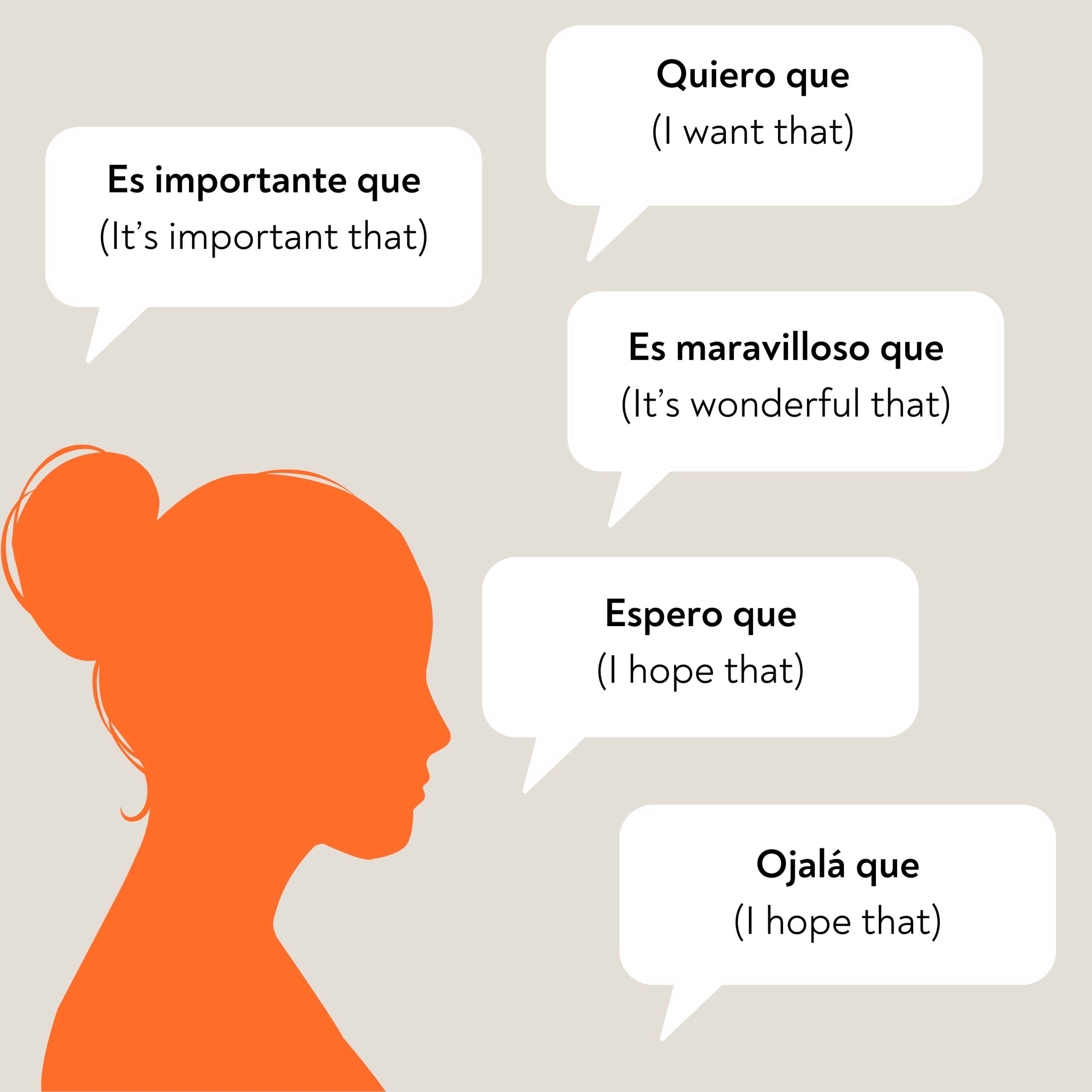
The verbs that come after these expressions should be in the subjunctive.
Can you identify them?
Actividad V
For a guide of the subjunctive covered in Breakthrough Spanish’s video and expressions require the subjunctive, see the following two slides.
Important! You will notice that in the 2nd slide that there are expressions included that do not require the subjunctive. Instead, you would use the indicative because there is no doubt in these expressions. They express certainty or facts.
Watch as Practiquemos demonstrates the difference between the subjunctive and indicative forms.
Actividad W
Select whether the following sentences are in the subjunctive because they express hope, desire, preference, need, will, doubt, opinion, emotion or things that are not certain to happen.
Or, choose if the following sentences are in the indicative because they express more certainty or facts.
¡Muy bien! 🙂
Earlier, Spanish Playground was getting their house ready for an upcoming dinner party. Do you know the parts of the house?
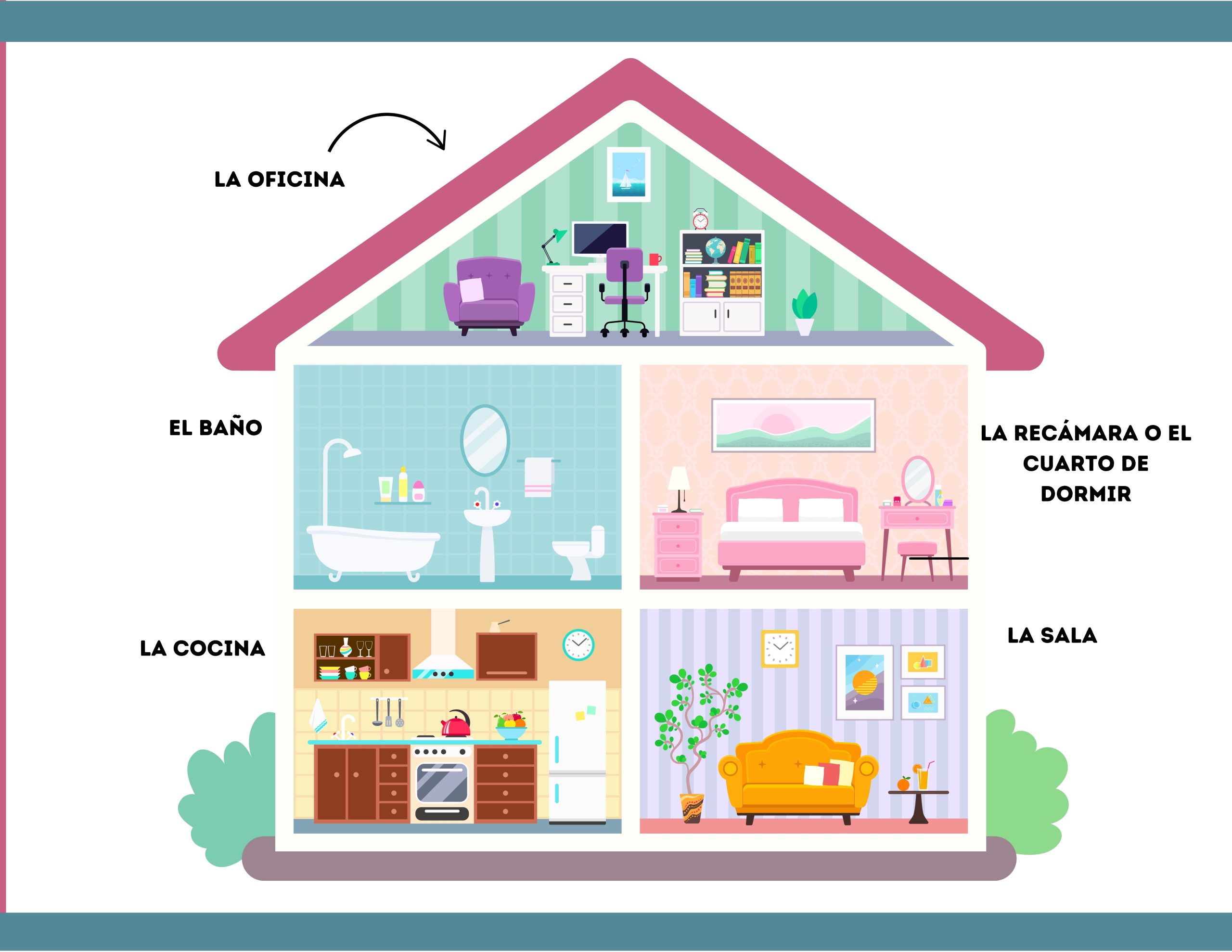
For more vocabulary related to the house, click here.
Actividad X
In the following activity, listen as Antonio gives instructions to his roommates on what he wants done to the house by the time he returns home from his trip. Fill in each space with the correct verb Antonio used in the subjunctive.

¡Muy bien! 🙂
Intercultural reflection 2
Daniel Illescas is a Spanish content creator that has traveled the world to volunteer and engage in other projects. Recently, he posted a tour of his new place in Barcelona, Spain.
Do you know anyone that lives in Spain? Do you know what their home is like? Do you think the homes in Spain are similar to the ones in your country?
Watch as Daniel walks you through his renovated home. You could press CC for captions in the language you prefer.
Explore more
- Did you expect the homes in Spain to look as they do in Daniel’s video? Does your home look similar or different than Daniel’s? How so?
- List 10 new vocabulary words you learned related to the home in Spanish. Also, what rooms did Daniel show you?
- Describe the home of your dreams using the subjunctive. Create at least 2-3 sentences describing your ideal home. You could state where you want your home to be located, what you want your home to have, how many rooms you want your home to include, etc.
Modelo- Quiero que mi casa ideal esté cerca de la playa. Es importante que mi casa tenga una piscina. Prefiero que mi condo sea moderno.
For additional vocabulary related to the home, click here.
Of course, not everyone could live like Daniel. Maggie Magaña visited a Mayan family in Mexico to see their home and how they live.
Watch the following video. Press CC for captions in the language you prefer.
4. How would you describe the Mayan family home? Using subjunctive and indicative phrases, create 2 sentences that describe the Mayan home.
Modelo- Creo que la casa maya es muy orgánica. Es interesante que la familia tenga el alfabeto en su pared (wall).
5. Discuss which home you would like to live in for a day and why, the home in Spain or the Mayan home in Mexico. Also discuss what you could you learn from each experience? How do these homes compare to your own? You could use Spanish or English.
Modelo- Prefiero vivir en ________ porque _______.
You’ve learned how to recognize and use the subjunctive to express emotion, desire, will, hope, need and doubt and the indicative for sentences with certainty or facts. Ask students how they feel about their health, city and home in the following Lotería game using both the subjunctive and indicative.
Actividad Y
Choose a row and find at least 3 different students to answer the questions in that row. The first student to complete their row will win! Say ¡Lotería! 🙂
¡Fabuloso! 🙂
V. Chapter 10 Final Assessment
In Chapter 10, you discussed physical and mental health with por and para, used informal and formal commands to give advice for better health and recommend places to visit or activities to do in the city. You also identified subjunctive and indicative phrases to use in conversation about ideal homes and better health.
¡Muy bien! 🙂
For your Chapter 10 Final Assessment, you will answer Frank’s questions about your health, city and home and ask him questions about his health and lifestyle.